Over the past couple of years, we have seen a steady and consistent rise in enquiries for raffia bags — totes, clutches, market bags — from buyers across Europe, the Middle East, and North America. It is not a sudden spike, but a gradual shift that appears to be holding.
This post is a straightforward look at what seems to be driving that interest, what styles we are most commonly asked for, and what working with us on raffia looks like in practice.
Why Raffia Is Seeing Consistent Demand
Raffia is a natural palm fibre. It is lightweight, biodegradable, and takes colour well. For buyers whose customers are increasingly conscious about materials, it is an easier sell than synthetic alternatives. That is probably the simplest explanation for why it keeps coming up.
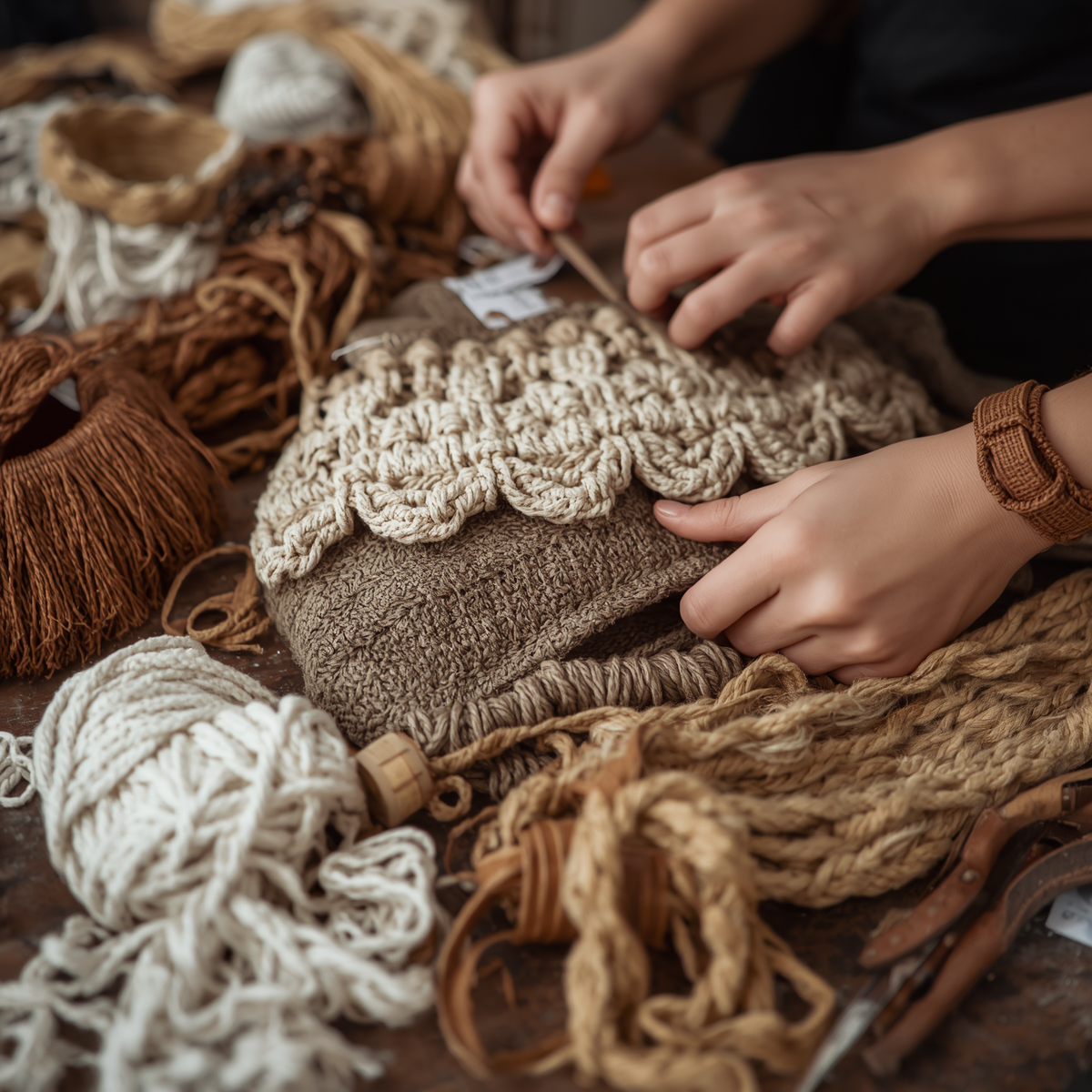
Beyond sustainability, raffia also has a certain visual quality — the texture, the natural colour variation, the weave — that works well in product photography. Buyers tell us it sells quickly online, which matters.
A few things seem to be contributing to where things stand right now:
- Material preferences are shifting. More buyers are moving away from PU and coated fabrics toward natural fibre options. Raffia fits naturally into that conversation alongside jute and cotton canvas.
- Retail buyers want stories to tell. A handwoven raffia bag has a clearer story than a machine-made synthetic one. That matters for how boutiques position and price their products.
- It is no longer just a summer product. We used to see raffia orders concentrated around spring and early summer. That is changing — buyers are now including raffia styles in year-round assortments.
"Raffia sits comfortably at the intersection of natural materials, reasonable price points, and genuine craft — which is a useful combination for boutique buyers."
Why Buyers Source Raffia from India
India has a long history of working with natural fibres — jute, cane, grass, and raffia among them. The skills are genuinely there, particularly in artisan clusters in West Bengal, Uttar Pradesh, and Rajasthan. What that means practically is that the weave quality is consistent and the workers understand the material.
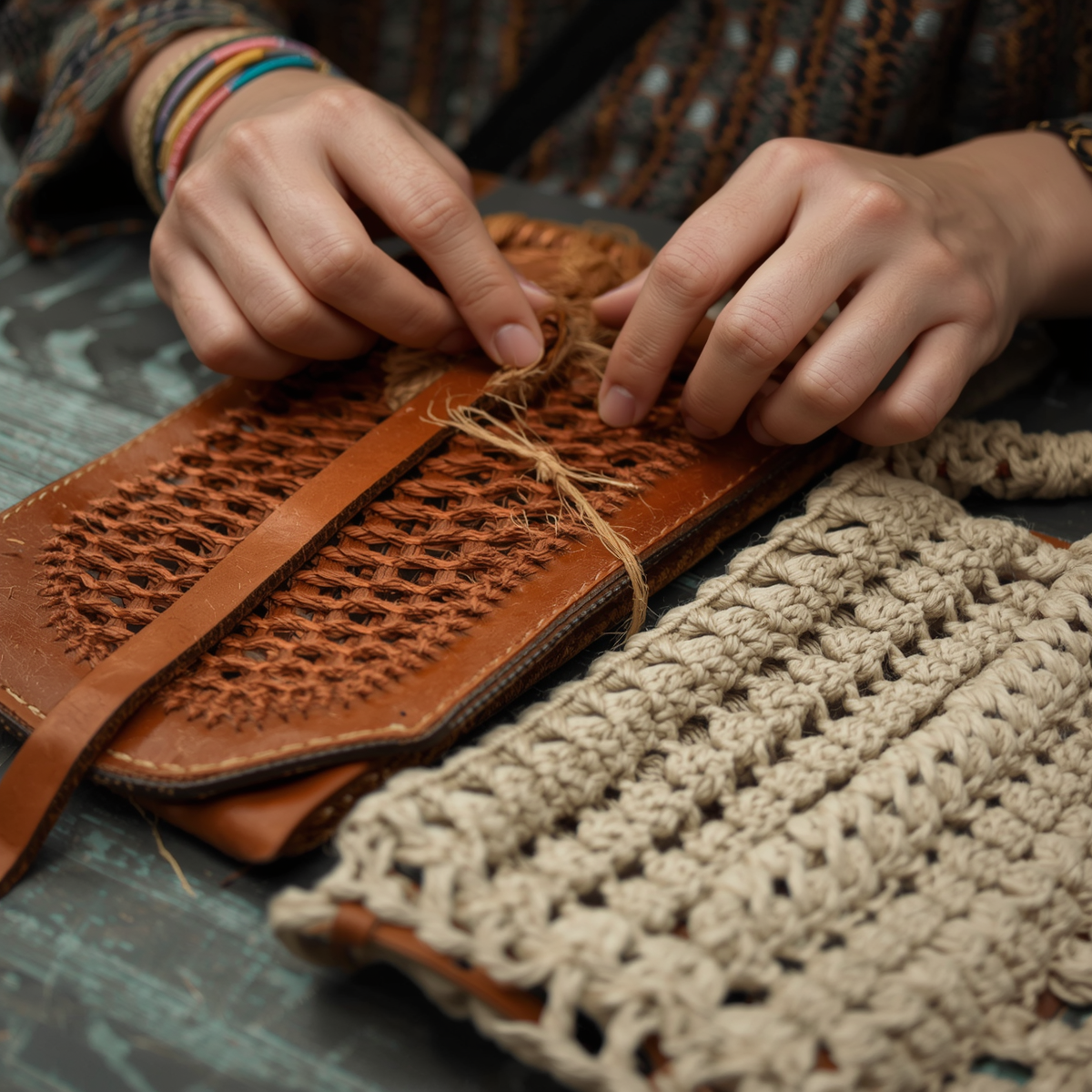
For international buyers, India also offers a reasonable combination of price and customisation flexibility. If you want a specific weave density, a colour, a combination of raffia and leather — those things are achievable here at MOQs that make sense for smaller boutique buyers, not just large retail chains.
What Customisation Looks Like in Practice
Most of our raffia orders involve some degree of customisation — a specific colour, a private label, a slight change to dimensions or hardware. We do not require buyers to take a standard product off a shelf. That said, the level of customisation affects the sample timeline and minimum quantities, so it is worth discussing early in the conversation.
Price Points
Raffia tends to be more affordable to produce than leather but requires skilled labour for the weaving. The cost varies quite a bit depending on the complexity of the weave, the embellishment level, and the hardware used. We are transparent about this in our quotations — there are no surprises after sampling.
Styles We Are Currently Asked About Most
- Raffia totes and market bags — the most requested style, typically with leather or cotton rope handles. Good for everyday retail.
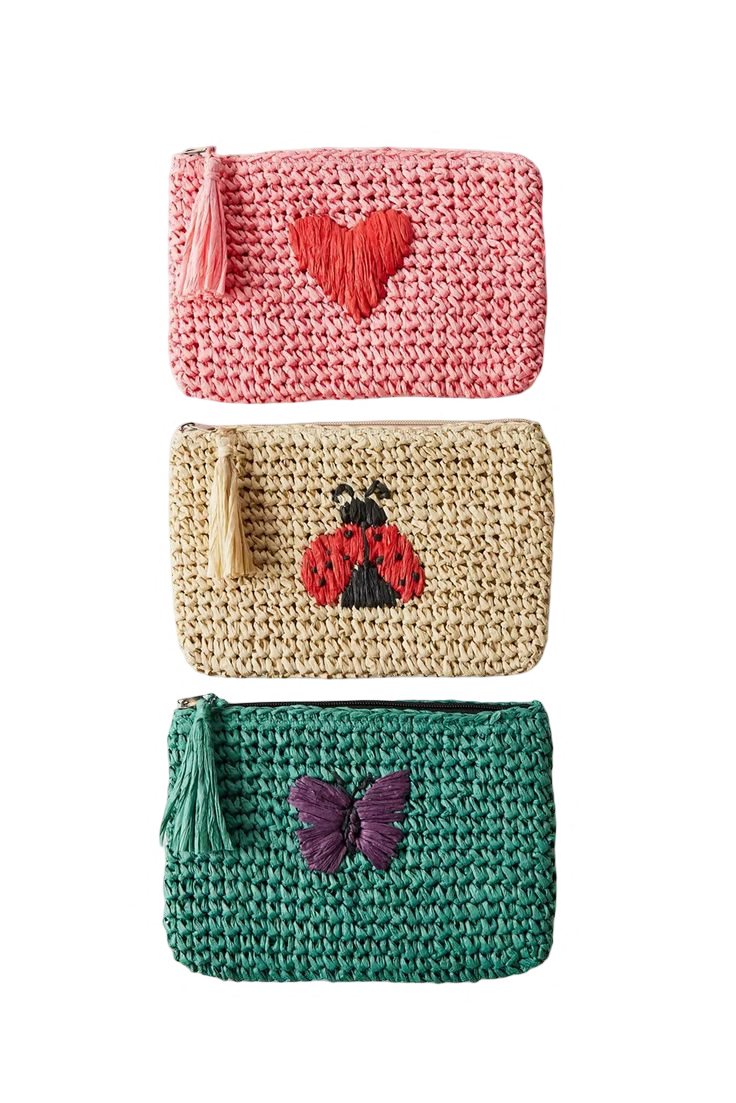
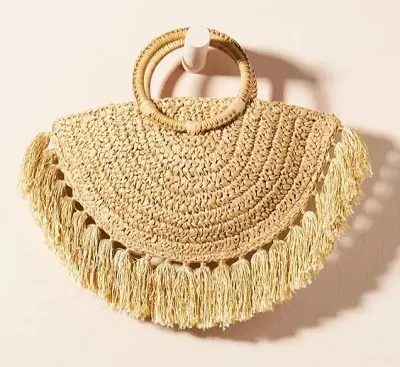
- Embellished clutches — raffia base with embroidery, beadwork, or appliqué. Popular for wedding and occasion retail, particularly from Middle East buyers.
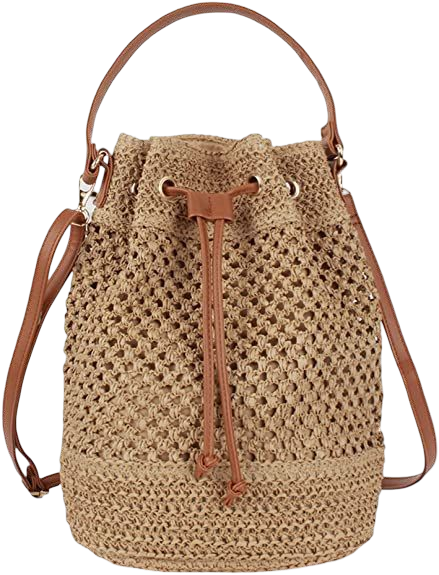
- Bucket bags — crochet or woven, often with a leather drawstring and crossbody strap. Consistent demand from European markets.
- Kids' raffia bags — smaller sizes, simpler designs. A growing category for us, especially with children's boutiques.
- Raffia combined with leather — hybrid designs where raffia forms the body and leather is used for handles, trim, or base reinforcement.
How the Process Works
If you are considering sourcing raffia bags from us, here is what the process typically looks like:
- You share references or a brief — we come back with an initial feasibility and rough pricing within a day or two.
- If it looks like a good fit, we make samples and send them to you via courier. Sample charges apply and are adjusted against your first order if you proceed.
- Once the sample is approved and any revisions are done, we confirm MOQ, timeline, and payment terms before production starts.
- We send you production updates during the run. Before shipment, there is a quality check.
MOQ starts from 100 pieces per style. Lead time is typically 30–45 days from sample approval, depending on complexity and quantities.
Get in Touch
If you have a style in mind or want to understand what is feasible for your budget, feel free to reach out at hello_finesse@bagsexport.com or WhatsApp us on +91 86501 96451. We are happy to have an initial conversation without any commitment.